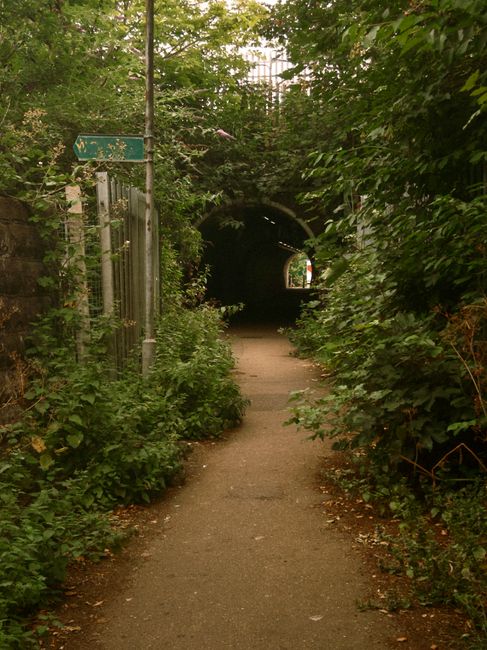
Difficult access fee advice for Fortess Road Archway gardeners
If you are arranging garden work on or near Fortess Road in Archway, the price can feel straightforward at first and then suddenly less so. A narrow side passage, shared entrance, tight stairway, steep steps, no rear access, or awkward parking can all affect the final quote. That is exactly where difficult access fee advice for Fortess Road Archway gardeners becomes useful: it helps you understand what counts as difficult access, why it matters, and how to avoid surprises before the team turns up with tools in hand.
To be fair, most access issues are not dramatic. They are everyday London problems. A wheelbarrow that cannot get through. Materials that need carrying around the side. A mower that fits on paper but not through a gate. If you know what to look for, you can ask better questions, compare quotes properly, and choose a service that feels fair rather than vague.
This guide walks through how difficult access fees usually work, when they are reasonable, what to check before booking, and how to plan garden jobs around the realities of a busy Archway street. It also links the issue to related services such as garden maintenance, lawn care, and garden clearance where access can change the job quite a bit.
Table of Contents
- Why difficult access fee advice matters
- How difficult access fees work
- Key benefits and practical advantages
- Who this is for and when it makes sense
- Step-by-step guidance
- Expert tips for better results
- Common mistakes to avoid
- Tools, resources and recommendations
- Law, compliance, standards, or best practice
- Options, methods, or comparison table
- Case study or real-world example
- Practical checklist
- Conclusion
- Frequently asked questions
Why Difficult access fee advice for Fortess Road Archway gardeners Matters
Difficult access is one of those things people only think about after the quote lands. Then the questions start. Why is there an extra charge? Is it fair? Could the job have been planned better? In an area like Archway, where properties can vary from compact garden flats to older homes with narrow entry points, the answer is often tied to how much extra time, labour, and handling the work will need.
Gardeners do not usually add access fees for fun. They add them because the job genuinely changes when carrying tools, waste, compost, or materials becomes slower and more awkward. A lawn cut can become a hand-carry job. A simple hedge trim may need ladders positioned carefully. A clearance that would take one load in an open driveway may need several trips through a narrow hallway. That is time, effort, and sometimes extra risk.
This matters because a transparent access fee helps everyone. You get a more realistic quote. The gardener knows what to bring. The job is less likely to run over. And nobody has that slightly embarrassing, slightly tense moment at the end where the customer says, "I didn't realise that would cost extra," while the contractor quietly wonders how to explain three flights of stairs and a 40kg pile of green waste. Happens more than you think.
Expert summary: A difficult access fee should reflect the real effort needed to complete the job safely and efficiently, not act as a mystery surcharge. The best quotes explain the reason clearly and early.
For a broader view of how work is scoped and priced, it can also help to read the company's pricing and quotes guidance alongside this article. That gives context on how quotations are usually formed before any access complications are added.
How Difficult access fee advice for Fortess Road Archway gardeners Works
In practical terms, a difficult access fee is usually an adjustment to cover extra labour, time, handling, or logistics. It may appear as a flat surcharge, a small percentage uplift, or a separate line item. There is no single universal formula, and that is worth saying plainly. Different companies structure it differently, but the reason should always be understandable.
Common access issues include:
- no rear access to the garden
- long carrying distances from van to work area
- narrow gates, steps, or tight corridors
- shared entrances or restricted entry times
- limited parking close to the property
- heavy materials that must be moved by hand
- fragile surfaces that require slower, more careful movement
The fee is often based on how much these factors change the job. For example, a standard maintenance visit might take one hour on a property with easy access, but significantly longer if the team has to unload further away and carry everything through a tight passage. If the job is a one-off clearance, those differences can be even more obvious.
Access also influences what equipment can be used. A mower may be too bulky for a narrow side gate. A larger tree care setup may not be suitable for a constrained garden without extra setup time. That is one reason some jobs, such as tree surgery or tree lopping and removal, need a particularly careful look at site conditions before pricing is confirmed.
Another thing people often miss: the access issue does not just affect the gardener. It can affect your neighbours too. Carrying tools through a shared walkway, managing waste bags in a communal area, or using a parking space for a short period all need a bit of thought. Nothing dramatic, just sensible planning.
Key Benefits and Practical Advantages
When access is discussed properly, the benefits show up quickly. The quote is clearer, the work is smoother, and the outcome tends to be better because the team arrives with the right expectations. That may sound obvious, but it saves hassle. A lot of hassle, sometimes.
- Fewer surprise charges: You know in advance whether difficult access has been allowed for.
- Better job planning: The gardener can bring the right tools and allow the right amount of time.
- Safer work: Carrying equipment through cramped spaces is managed properly, rather than improvised.
- More accurate comparisons: You can compare like for like instead of choosing the cheapest headline price.
- Less disruption: The job is more likely to finish on schedule, which is helpful if you work from home or share access with neighbours.
There is also a less obvious benefit: better access advice helps you decide whether to split the job up. For example, a full clearance may be awkward through a tight entrance, but smaller maintenance visits may be manageable. Or a one-off patio clean might be easy, while a bulk waste removal may be a different story altogether. In that situation, a service like patio cleaning or lawn mowing may be straightforward, while other tasks need more careful handling.
For property owners, landlords, and managing agents, the commercial advantage is simple: fewer delays and cleaner cost control. That is often the bit people care about most once the paperwork starts getting passed around.
Who This Is For and When It Makes Sense
This advice is useful for anyone commissioning garden work where access is not completely open and easy. That could be a single homeowner with a terraced garden, a landlord with a small rear yard, or a property manager dealing with shared entry points and limited service access.
It makes particular sense if your property has one or more of the following:
- a narrow side return or alleyway
- steps between the front and rear of the property
- upper-floor or raised-garden access only
- communal hallways that need protection
- parking restrictions close to Fortess Road
- large items to remove, such as old fencing, timber, soil, or heavy green waste
It is also useful if you are booking recurring care rather than a one-off job. With ongoing garden maintenance, access issues can be factored in once and then managed consistently. That usually works better than re-explaining the same awkward gate every six weeks.
If you are not sure whether access is difficult enough to matter, ask yourself a simple question: would the gardener be able to wheel in tools and waste easily, or will everything need to be carried by hand, slowly, and with care? If it is the second one, you are probably in difficult access territory.
Step-by-Step Guidance
Here is the simplest way to handle access pricing without losing your mind over it.
- Walk the route the gardener would take. From street to garden, notice gates, doors, steps, corners, and anything that narrows the path.
- Think about tools and waste. A hedge trimmer is one thing. A pile of cuttings, old soil, or broken timber is another. Waste always takes up more room than people expect.
- Measure the awkward bits. You do not need engineering precision. Just know if the gate is tight, the passage is steep, or the carrying distance is long.
- Take clear photos. A few honest pictures of entrances, access routes, and the work area can save a lot of back-and-forth.
- Explain the job in plain language. Say what needs doing, where the access is, and whether parking is nearby. That clarity helps the quote.
- Ask how the fee is calculated. Is it a fixed access charge, extra labour time, or a transport adjustment? A good provider should answer clearly.
- Check what is included. Sometimes the access fee covers carrying and setup only. Sometimes it also covers time for loading waste or protecting floors and walls.
- Confirm the quote in writing. Not because anyone is being difficult, but because written terms avoid later confusion.
One practical point that gets overlooked: if the access is only difficult on certain days, say so. Shared entry points can be free in the morning and blocked by bins later on. Parking can be easier early on weekdays. Small detail, big difference.
And if the job involves more than routine upkeep, such as clearance or landscaping, access becomes even more important. A garden redesign, for example, can require multiple deliveries and repeated waste removal. That is where landscape gardening or landscaping work should be scoped with the route in mind from day one.
Expert Tips for Better Results
From a pricing and planning point of view, a few small habits make a big difference.
- Be specific about access, not just "a bit tricky". That phrase can mean almost anything.
- Use real examples. "A mower fits through the gate but a wheelbarrow does not" is useful information.
- Tell the gardener where they can park. If parking is likely to be distant, say so early.
- Ask whether the access fee is one-off or recurring. For regular visits, the arrangement may be different.
- Check whether sensitive surfaces need protection. Hallway runners, floor coverings, or careful load handling can be part of the job.
- Keep paths clear before the visit. It sounds simple, but a bicycle, a recycling bin, and a few stacked planters can make a route more awkward than expected.
Truth be told, a lot of access disputes come down to missing information rather than bad intent. The gardener thought the route was fine. The customer thought the team would carry everything from the pavement in two neat trips. Reality, as usual, was somewhere in the middle.
If you are comparing providers, look at whether they also explain broader trust points such as safety, insurance, and secure payment practices. Those are not access issues exactly, but they are part of whether the whole service feels well run. Pages like insurance and safety and payment and security can help you judge that side of things.
Common Mistakes to Avoid
There are a handful of predictable mistakes people make when dealing with difficult access charges. Once you know them, they are easy enough to avoid.
- Assuming access is "obvious". What is obvious to you, living there every day, may be a surprise to someone visiting for the first time.
- Waiting until the job starts to mention the problem. That is the fastest route to frustration. Or, at least, to a longer conversation than anyone wanted.
- Comparing quotes without checking access assumptions. One quote may include awkward entry time while another does not.
- Ignoring parking and waste removal. Access is not just the gate. It is the full route in and out.
- Choosing the cheapest quote without context. A low price may simply mean the access issue has not been properly allowed for.
- Not asking what the fee covers. Is it for labour only, or for equipment handling and setup too?
A useful rule of thumb: if you are not sure whether something counts as difficult access, mention it anyway. It is much easier to remove a charge from a quote than to add one after someone has already walked the route, looked at the stairs, and muttered under their breath.
Another mistake is overlooking the knock-on effect on related work. For example, a hedge trim might look simple, but if clippings need to be bagged and carried through the house, the access issue immediately becomes part of the pricing. The same is true for hedge trimming and even light clearance jobs.
Tools, Resources and Recommendations
You do not need specialist software or complicated planning tools to handle access well. A few basic things will do most of the job.
- Phone photos: Take pictures from the street, entrance, passage, gate, and garden area.
- Simple measurements: A tape measure or even a rough width estimate can help if gates or corridors are tight.
- Notepad or phone notes: Write down access details, parking limits, and any shared entry instructions.
- Site walk-through: If possible, walk the route before the appointment and remove obvious obstructions.
- Written quote: Keep the scope and any access fee in writing so you can refer back to it later.
For larger or more involved projects, it may also help to speak about the whole garden package rather than one isolated task. A garden that needs clearance, maintenance, and then new layout work often benefits from one joined-up plan. That is where gardening services can be a better starting point than trying to price each tiny thing separately.
Where sustainability matters, ask how waste is handled and whether recyclable material is separated where practical. A company's approach to recycling and sustainability can be a useful sign that they are thinking beyond the quick job and into proper service standards.
Law, Compliance, Standards, or Best Practice
This is not a highly legalistic area, but a few UK best-practice points are worth keeping in mind. A reputable gardening service should work safely, communicate pricing clearly, and avoid misleading extras. That is the core of it.
From a customer point of view, the main expectations are simple:
- Clear pricing: Any access-related charge should be explained before work begins where possible.
- Safe working methods: Carrying loads through awkward routes should not be improvised in a risky way.
- Insurance awareness: Garden work often involves tools, property surfaces, and movement through access areas, so insurance matters.
- Respect for property and neighbours: Shared entrances, walls, and communal areas should be treated carefully.
- Reasonable notice: If a quote might change because access is worse than expected, the customer should be told promptly.
Good providers will also have internal policies covering health and safety, complaints, privacy, and terms of service. Those documents are not exciting bedtime reading, obviously, but they do show the business is thinking in a structured way. If you want to understand that side, see the company's health and safety policy, terms and conditions, and complaints procedure.
If you have access needs linked to disability, mobility, or vulnerable residents, it is also sensible to check the business's approach to accessibility and communication. A straightforward service should be able to discuss adjustments calmly and respectfully. For that, the accessibility statement is worth a look.
Options, Methods, or Comparison Table
Not every access issue needs the same pricing approach. Sometimes a flat fee is fair. Sometimes a labour adjustment is better. Sometimes the job should be split into stages. Here is a simple comparison.
| Pricing method | How it usually works | Best for | Things to watch |
|---|---|---|---|
| Flat difficult access fee | One set charge added to the job | Clear, repeatable access problems | Needs a fair explanation and consistency |
| Hourly labour adjustment | Extra time is built into labour cost | Jobs where carrying and setup vary a lot | Can feel less predictable unless estimated well |
| One-off logistical surcharge | Extra cost for unusual site constraints | Uncommon access problems or very tight routes | Should not be used as a vague catch-all |
| Split appointment or phased work | Job is broken into smaller visits | Large clearance or landscaping projects | Can reduce stress but may extend the project timeline |
For many Fortess Road properties, the best answer is not one dramatic charge but a sensible method that reflects the route, the task, and the volume of material involved. A small front-garden tidy and a full clearance are not the same thing. Not even close.
Case Study or Real-World Example
Imagine a typical Archway property with a rear garden reached only through the house and a narrow side entrance that is too tight for larger waste containers. The customer wants a seasonal tidy-up: lawn cut, hedge trim, leaf removal, and some border clearing. On paper, it sounds like a short visit.
Then reality arrives. The mower fits, but only just. Waste bags need to be carried carefully through the side path. The hedge cuttings are light but bulky. There is no easy parking directly outside, so the team has to unload a little further away and work in stages. Nothing impossible, just slower and more labour-intensive.
In that situation, a difficult access fee may be justified because the route adds time and handling. But the smartest thing is that the customer knows this before the day of the visit. The quote can explain that the charge reflects the access route, not the quality of the job. That one distinction tends to keep everyone calm.
Now compare that with a different job: a simple lawn tidy in a garden with wide side access and nearby parking. Same area, same general service type, but a much smoother workflow. In the second case, there may be no access charge at all. That is why the details matter more than the postcode alone.
The lesson? Ask for pricing based on the actual site, not just the type of work. It sounds basic, but it is the bit people skip when they are in a rush.
Practical Checklist
Use this quick checklist before you confirm the booking.
- Have I described the route from street to garden clearly?
- Are there gates, steps, steep paths, or narrow corridors the gardener should know about?
- Have I mentioned parking limits or loading restrictions?
- Did I explain whether waste needs to be removed through the house or a side passage?
- Have I shared photos if the access is likely to be awkward?
- Do I understand whether the access fee is fixed, hourly, or included in labour?
- Have I checked what happens if the gardener finds the access more difficult than expected?
- Am I comparing quotes on the same basis, not just the headline price?
- Do I know whether this is a one-off job or something that will repeat regularly?
- Have I asked about safety, insurance, and how property surfaces will be protected?
Quick takeaway: the more accurate your access information, the more honest and usable the quote will be. That is the whole game, really.
Get a free quote today and see how much you can save.
Conclusion
Difficult access does not have to be a source of confusion. Once you understand what the fee is for, you can plan around it, question it sensibly, and compare quotes with a lot more confidence. For Fortess Road and the wider Archway area, where properties can be compact, shared, or just a bit awkward in the ordinary London way, that clarity is especially valuable.
The best outcome is simple: no surprises, no rushed assumptions, and no awkward conversations at the doorway. Just clear pricing, sensible preparation, and a job that can be done properly. If you are already weighing up different garden tasks, it may help to revisit the company's service pages for lawn care, fencing, or decking services to see how access might affect each one.
And if you want the whole process handled with more certainty from the start, the next sensible step is to share the access details early and ask for a quote that reflects the real site. Small effort now, much easier later. That usually pays off.
Frequently Asked Questions
What counts as difficult access for garden work?
Difficult access usually means the gardener cannot get tools, materials, or waste into and out of the property easily. Narrow gates, steps, long carrying distances, limited parking, and shared entrances are common examples.
Why do gardeners charge extra for difficult access?
Because the job takes more time, more effort, and sometimes more equipment handling. A simple garden task can become significantly slower when everything has to be carried by hand or moved in stages.
Is a difficult access fee always separate from the main quote?
Not always. Some companies show it as a separate line, while others include it in the labour cost or add a fixed uplift. The important thing is that the quote explains the method clearly.
How can I tell if my Fortess Road property will need an access fee?
Look at the route from the street to the garden. If a gardener would struggle to wheel in tools, stack waste, or park nearby, access is probably going to affect the price.
Should I send photos before booking?
Yes, that is often the easiest way to avoid confusion. A few honest photos of the entrance, gate, passage, and work area help the gardener judge the job properly.
Can difficult access affect lawn mowing and routine maintenance too?
Yes. Even regular jobs such as lawn mowing or ongoing maintenance can take longer if tools and cuttings have to be carried through awkward routes.
What if the access is worse on the day than I expected?
That can happen. Good practice is to discuss that possibility in advance so everyone knows how additional time or labour would be handled if the site turns out to be more awkward than described.
Do I need to worry about safety with difficult access?
Yes, a little. Tight passages, steps, and shared areas should be handled carefully to protect people and property. A professional gardener should work in a way that keeps the route safe and manageable.
Will access charges apply to garden clearance jobs more often?
Often, yes. Clearance usually involves bulky waste, repeated carrying, and more loading time, so access issues tend to matter more than they do for smaller tasks.
Can I avoid a difficult access fee by preparing the garden myself?
Sometimes you can reduce the issue, but not always remove it. Clearing walkways, unlocking gates, and removing obstacles can help. But if the route itself is narrow or long, the access challenge may still remain.
How do I compare quotes fairly when access is an issue?
Make sure each quote is based on the same information. If one quote includes carrying waste through the house and another does not, the cheaper one may not be the better value.
Where can I find more information about service standards and pricing?
It is sensible to read the company's information on pricing, terms, insurance, and health and safety. Those pages help you understand how work is quoted, carried out, and protected from avoidable problems.